
Mandorla Land Planning and Development is a consulting firm focused on the creation of places filled with memory and meaning, places that work not only practically and financially in a traditionally sustainable manner, but inspire us to our highest personal and communal aspirations.
What is a Mandorla? It is a simple geometric pattern of two circles, the edge of each touching the center of the other. It thus operates as a metaphor for the celebration, reconciliation, and healing of opposites. In this it is similar to the Asian Yin-Yang image. Sometimes known as the “Vesica Piscis,” its larger context is its placement within the Flower of Life, a geometric pattern which itself grows out of the Golden Mean, a mathematical ratio of 1 to 1.618. This ratio is found through the natural world—the arrangement of petals on a flower, the structures of beehives and even our DNA— and acts as a foundation for life.
To the ancient world, these principles formed the basis of what is termed Sacred Geometry. The architecture of ancient Greece, Rome, and Egypt rested upon this foundation of natural proportion and ratio, which is why we still find traditional architecture so pleasing; it aligns with our natural being.
While these principles were standard architectural practice throughout the world until the modernism of the 20th century, their use as a foundation for urban patterns is quite rare. The most complete use of these geometric patterns in the layout of a city is Washington DC, described here. Mandorla LPD brings together the contemporary perspective of New Urbanism with the traditional use of sacred geometry to create places of meaning and memory.
Mixed use requires more than residential, commercial, and open space. The typical missing element is the inclusion of civic elements. These act as the cohesive glue that bring together people, providing a stage for them to share their stories.
Our moment in history is experiencing a massive national and global transition to urban living, just at the time so many of our established communities are under threat from sea level rise, fire, and other disasters. To respond appropriately to these changing physical and social needs, an understanding must be put in place that goes beyond conventional divisive “either/ or” thinking. We must be able to reconcile what are normally thought of as opposites…
… urban and rural
… current and future needs
… beauty and practicality
… sustainability and efficiency
… change and stability
… public and private needs
… environmental preservation and new development
… civic goals and private financial return
Our need to envision an inspiring urbanism is greater than ever. Mandorla strives to design, program, and plan for places that go beyond walkable sustainability, to create places of meaning, memory, and inspiration.
Will Selman is principal of Mandorla. A member of the Congress for the New Urbanism for over 20 years, he has focused his professional work on the creation of traditional, walkable mixed use communities, the repair of suburban sprawl, and assisting communities in the transition to more sustainable and lovable patterns of development. He holds a masters degree in Urban and Environmental Planning
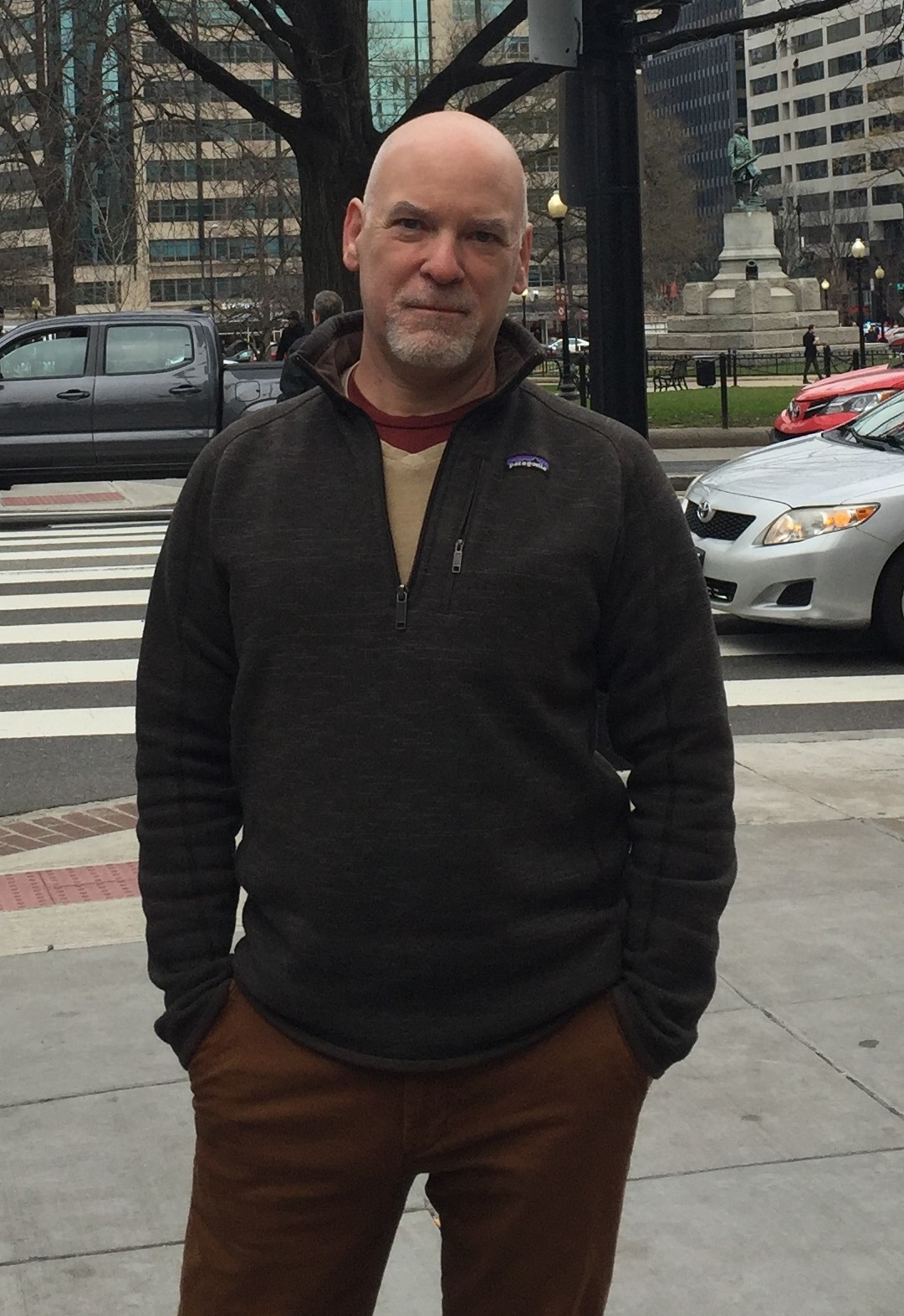
from the University of Virginia, is a Knight Fellow in Community Building at the University of Miami, and was founding board president of the Pennsylvania chapter of the CNU. In his spare time he enjoys bike riding, sailing, tai chi, cooking, and exploring various approaches to psycho/spiritual development.
 Mandorla Land Planning & Development, LLC